
small led bathroom mirror
In the dynamic world of specialty glass, manufacturers and end-users are turning to special glass factory solutions to meet the demanding needs of modern engineering, architecture, and industrial production. This article, leveraging real data, industry certifications, and customer case studies, presents an in-depth review of special glass types, technical parameters, cutting-edge manufacturing, and the application value of Ceramic Fritted Glass . 1. Industry Trends in Special Glass and Key Types The special glass market reached a global value of $86.6 billion in 2023 ( MarketsandMarkets, 2023 ), growing at CAGR 6.3%. Special glass includes advanced varieties such as Ceramic Fritted Glass , borosilicate glass, laminated glass, toughened glass, and chemically strengthened glass, each engineered for high performance in selective environments. Key Special Glass Types & Main Parameters (2024) Type Major Components Features Typical Application Ceramic Fritted Glass Silica, Alumina, Calcium, Ceramic Oxides High corrosion/abrasion resist, Customizable print pattern, UV stable Facade, Curtain wall, Chem tanks, Water treatment Borosilicate B2O3, SiO2 Thermal shock resist, chemical stable Laboratory, Lighting, Solar Toughened (Tempered) SiO2, Na2O, K2O High strength, safety glass Automotive, Architecture Laminated Glass + PVB/SGP films Impact resist, safety, sound insulation Skylight, Security, Flooring 2. Technical Parameters and Data dashboard Selection of special glass factory components relies on core parameters—mechanical strength, thermal expansion coefficient, surface hardness, chemical durability, optical clarity—and their precise control by advanced manufacturing technology. 3. Core Manufacturing Process: Ceramic Fritted Glass at Special Glass Factory Ceramic Fritted Glass is a pinnacle of special glass manufacturing. It is engineered by fusing colored ceramic frits onto glass through high-temperature sintering, yielding a surface layer with outstanding abrasion, corrosion, and UV resistance, while allowing for custom patterns and logos. Manufacturing Process Flow Diagram: Ceramic Fritted Glass Raw Glass Selection → Strictly controlled composition (SiO2, CaO, Al2O3) Glass Cutting/Pre-processing → CNC accuracy to <0.5mm, edge treatment Ceramic Frit Printing → Screen/roller or digital inkjet Drying → Pre-baking at 150-180℃ High-Temp Firing → Kiln at 580-720℃, vitrifies ceramic frit to glass Inspection & Testing → Surface, adhesion (Cross-hatch, ISO 2409), acid resistance (ISO 695) Packing & Shipping → Anti-impact wrap, palletized export Standard certifications: ISO 12543-4, ANSI Z97.1, CE EN12150 Typical yield: Defect-free rate >99.1% (2023 Factory QA Data) 4. Product Specifications & Technical Parameter Comparison Modern special glass factory production lines enable customized geometry, precise surface decoration, and high performance. Below is a data-driven comparison of Ceramic Fritted Glass versus common special glass types: Major Technical Indices: Ceramic Fritted Glass & Other Special Glass Types Parameter Ceramic Fritted Glass Borosilicate Toughened Laminated Modulus of Rupture (MPa) 110~180 65~120 100~200 85~120 Thermal Expansion (10⁻⁶/°C) 8.1 3.3 8.9 8.9 Acid/Alkali Resistance (%) >98 >95 90~93 85~90 Customizable Patterns Yes No No No Visible Light Trans. 8~92% 89~91% 85~91% 75~88% UV Shielding (%) >95 20~30 35~65 50~68 Service Life (years) >12 >10 >9 >8 5. Customization, Cutting, and Application Advantages Every special glass factory must maintain accuracy in cutting, shaping, and customization. Modern special glass cutting involves high-precision CNC waterjet, laser, and diamond tools ( ISO 614/614-2 compliance) to meet dimensional and tolerance requirements, offering smooth, burr-free edges and complex geometry. Pattern digitization enables project-specific logos or anti-slip dots for advanced types of special glass use. Edge Finish Accuracy: <0.3mm (independent test, 2024) Pattern Tolerance: ±0.7mm Minimum hole spacing (laminated): 40mm Panel Min/Max Size: 220x220mm ~ 3200x5800mm 6. Application Scenarios: Energy, Chemical, Water, and Green Building Petrochemical & Metallurgy: Chimney linings, acid tanks—long life, non-contamination, aggressive media resistance Water & Wastewater: Sand filters, biogas covers, Corrosion-free and low-fouling Facades & Architectural: Glass curtain wall, light shelves—custom patterned, UV shield, energy efficient Renewable Energy: Solar BIPV, wind power housings, panels Hospital & Pharmaceutical: Cleanroom partitions, easy to sanitize, ISO 22196 bacteria-resistant finish Actual Installation: Curtain Wall project - Custom frit pattern | 2023 | Asia region 7. Comparative Strengths: Selecting the Right Special Glass Factory Global Special Glass Factory Comparison Table Factory Annual Output (m²) Certification Major Markets Avg. Lead Time ChinaMirrorGlass 2,500,000 ISO, CE, ANSI, SGS Asia, EU, USA, Africa 15-28 days Guardian Glass 1,850,000 ISO, EN, UL NA, EU, Middle East 22-40 days AGC Inc. 2,950,000 ISO, JIS, CE Global 28-60 days Pilkington 2,200,000 ISO, EN EU, South America 18-34 days 8. Customization Process, Quality, and Warranty Commitment Design Consultation → Engineering Drawing Review (ISO 9001-2015 standard) Sample Prototyping → On-request Testing → Approval Production Scheduling → Progressive QA (EN12150, ANSI, ASTM) Packing, Delivery, and Installation Assistance After-sales → 12~36 months quality warranty , customer service response <24hr Average Lead time: 15–28 days for standard/medium runs; multi-phase delivery available for mega projects. Customer support: Dedicated project engineer, third-party QA reporting, full documentation (ISO/FDA/SGS available). 9. FAQ: Special Glass Terminology & Professional FAQ 1. What is Ceramic Fritted Glass ? Ceramic Fritted Glass is float glass with a printed ceramic ink/frit design that’s fused to the surface via high temperatures. It provides abrasion, UV, and chemical resistance for long-lasting patterned glass applications. 2. What are the typical material compositions of special glass? Recipes differ by type. For ceramic fritted: glass matrix (SiO₂, CaO, Al₂O₃); ceramic pigments (metal oxides, glass flux); for borosilicate: SiO₂-B₂O₃-Na₂O. Composition determines expansion, resistance, and mechanical properties. 3. What are the recognized inspection standards in special glass manufacturing? Major standards: ISO 12543-4 (laminated), EN 12150 (tempered), ANSI Z97.1 (safety glass), ISO 695/ISO 12312 (acid/UV resistance). 4. How is edge finishing and dimensional precision managed? Computer-controlled cutting (CNC, waterjet) achieves tolerance down to ±0.3mm. Laser edgework & drilling ensure smoothness and enhance mechanical strength per ISO 614-2 specs. 5. What is the safety performance of Ceramic Fritted Glass? Post-firing, ceramic frit forms a non-peeling, durable layer. It passes EN12600/ANSI 297.1 safety breakage and ball-impact tests, and maintains >98% acid/alkali resistance under ASTM C1026/ISO 695. 6. What is the maximum panel size and available thickness ? Max size: 3200 x 5800mm, Min: 220 x 220mm. Thickness: 4mm to 25mm. Custom available on request for special geometry projects. 7. What is the expected lifetime and warranty of special glass? Typical product lifetime: 12~20 years (factory data, in regular interior/exterior conditions). Warranty: 2~3 years for coatings/defects; up to lifetime for structural failure. 10. Representative Application Cases & Customer Feedback Chongqing Petrochemical, China: Chemically fritted tank windows, no visible corrosion after 7 years; efficiency savings estimated 12% (factory survey, 2023) Middle East Wastewater Treatment Plant: Ceramic fritted covers, zero maintenance failures ISO 22196 certified anti-bacteria; visual clarity maintained >95% after 5 years Singapore City Hall: Custom printed façade glass, energy cost reduction 8% year-on-year (empirical data, 2022–2023) EU Hospital Partition: Fritted glass, passes EN1279 humidity/condensation testing; no edge delamination across 4 years 11. Authority, Certification, and Key Partners All products certified by ISO 9001:2015 , CE , EN/ANSI , and eligible for FDA use on request Partnered with: Aramco, Sinopec, VINCI, L&T, Siemens Leading supplier for global façade and chemical tank projects 12. Contact, Ordering & Support Policy Quotation Response: Within 12 hours (standard projects) Trial Orders: Accepted from 10 panels upward, full documentation After-sale Warranty: 24/7 support; certified site inspection available Documentation: Provided in English, French, Arabic, Chinese Factory Visits / Video Inspection: Arranged on request Why Choose ChinaMirrorGlass Special Glass Factory ? Factory-direct prices with certified standards (EN, ISO, SGS) Custom engineering support: BIM/CAD compatibility, on-site measuring 12+ years industry experience with global project portfolio Leading defect rate: <0.9‰ in 2023, Customer Satisfaction Index: 98.7% Zero product recalls in recent 6 years (public QA record) 13. Industry Reference & Further Reading This article references market and technical data from authoritative sources. For further study, consult: Glassonweb International Forum: Special Glass Applications ScienceDirect: "Progress in advanced special glass manufacturing processes" Glass International: Latest News & Trends in Special Glass Markets & Markets: Global Specialty Glass Market Report
-
standing led mirror
standing led mirror
View Details -
clear glazing sheet
clear glazing sheet
View Details -
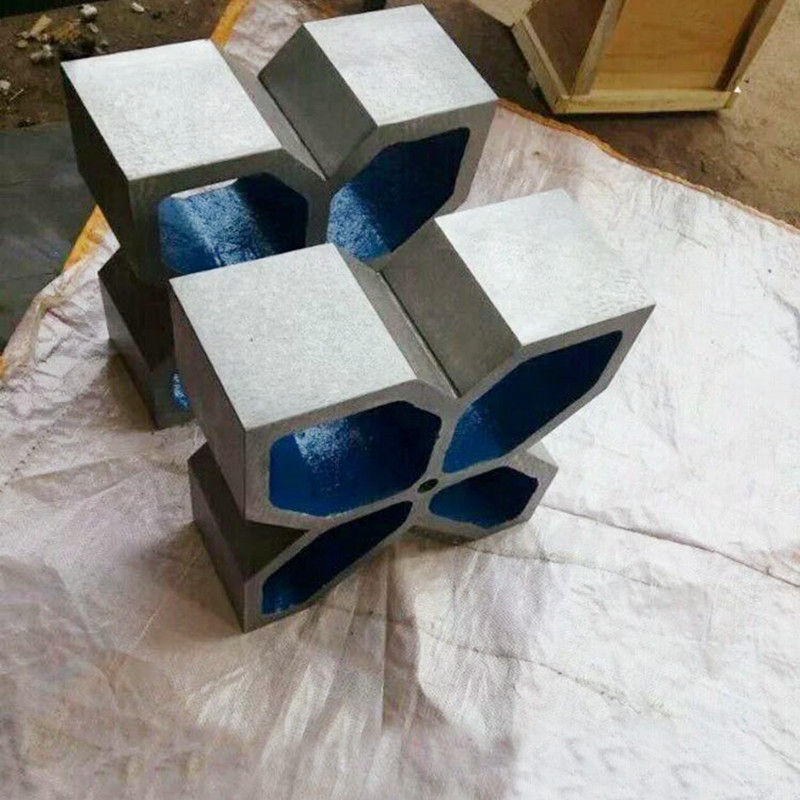
laminated shower glass
laminated shower glass
View Details -
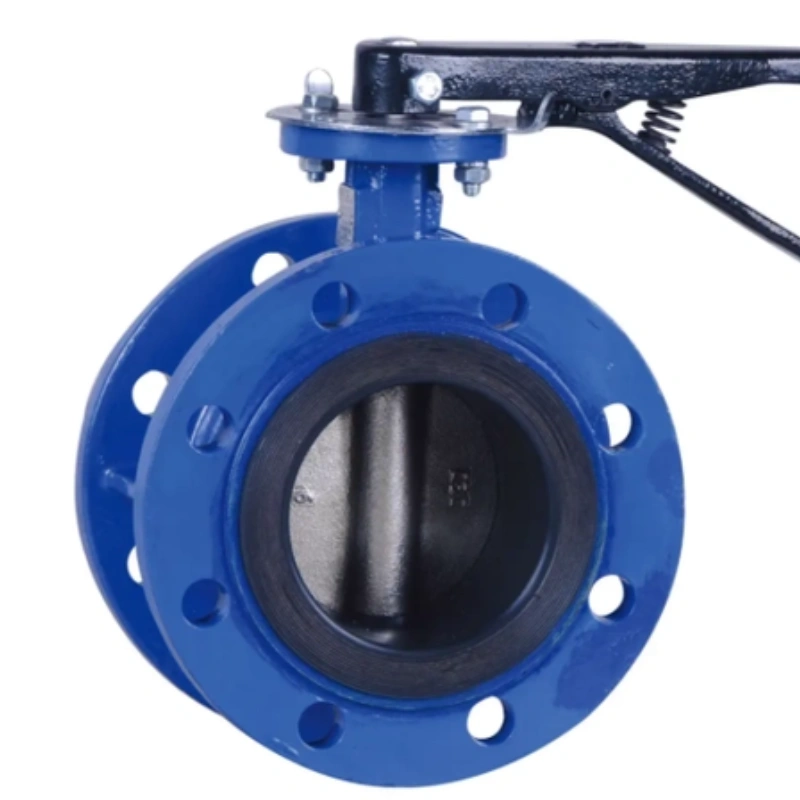
5mm clear float glass
5mm clear float glass
View Details -
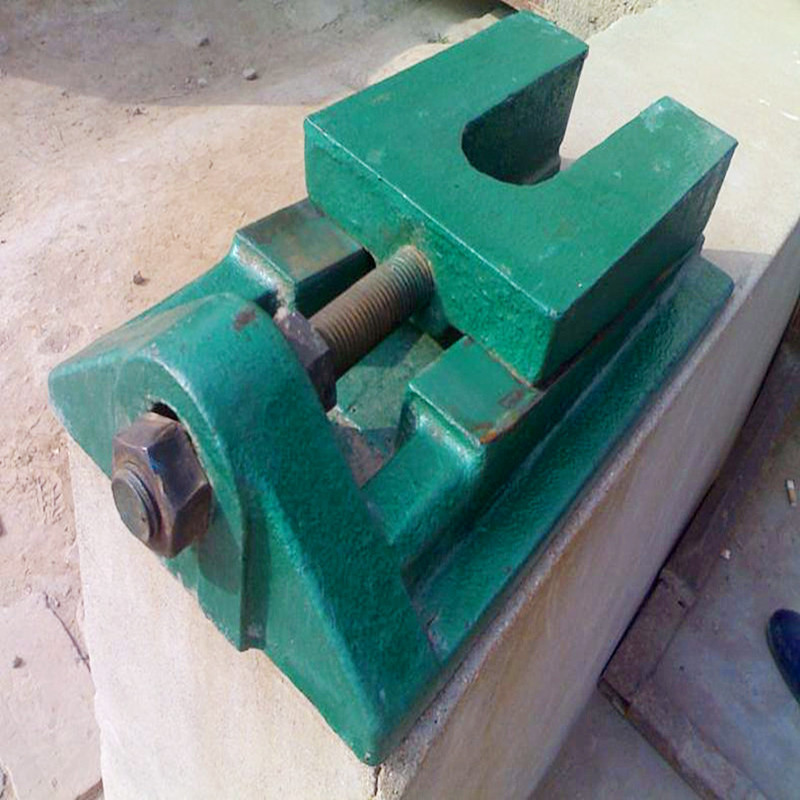
silver vanity mirror with lights
silver vanity mirror with lights
View Details
Our application
-
 read more
 -
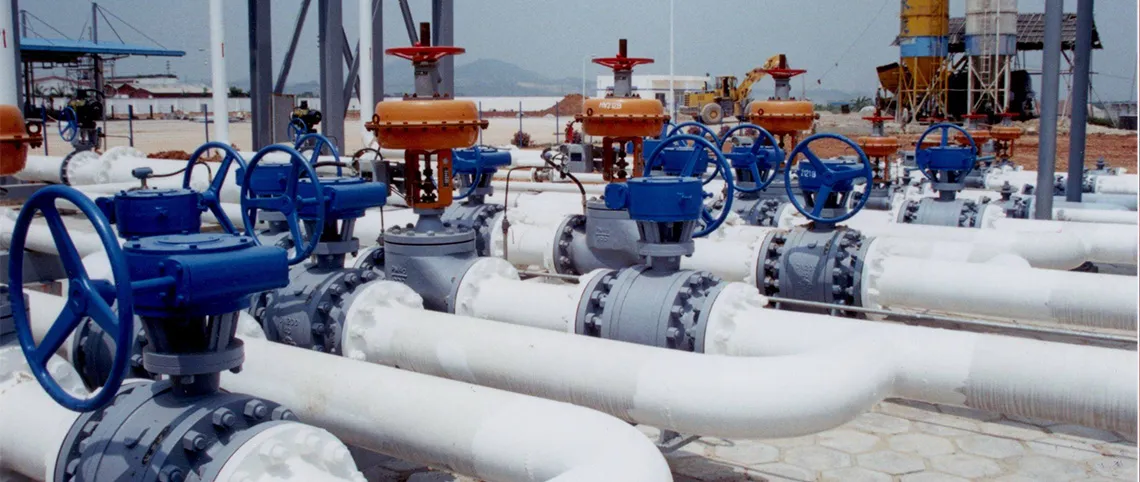 read more
 -
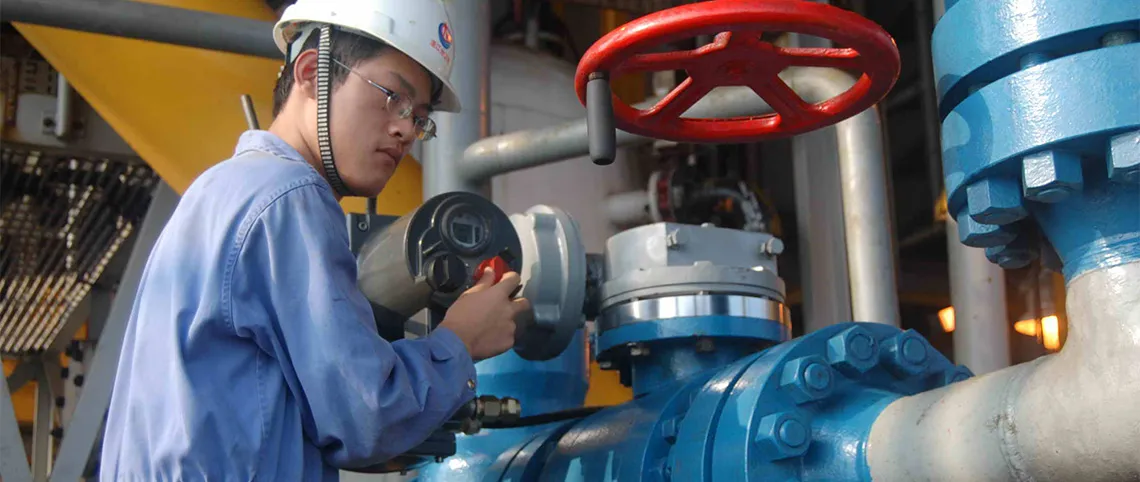 read more
 -
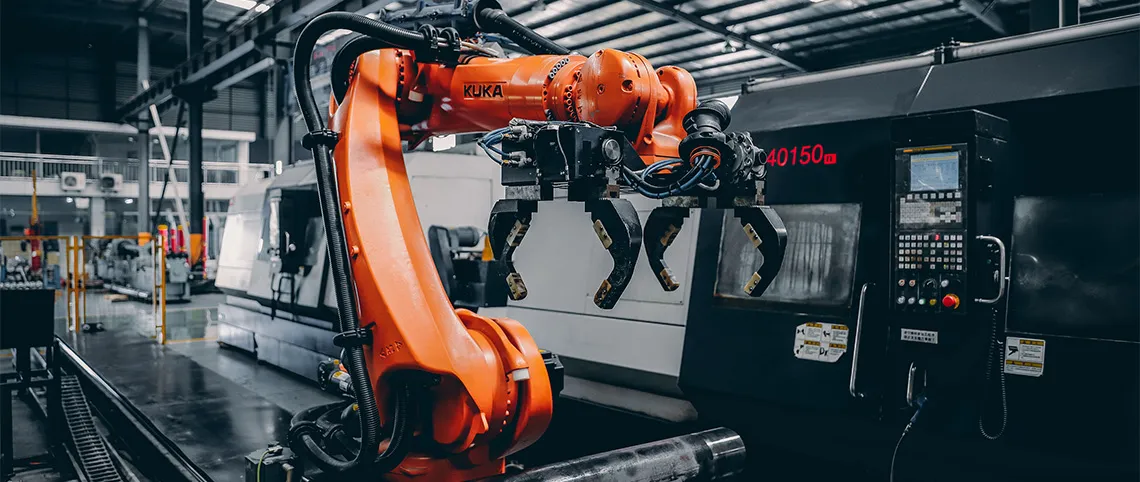 read more
 -
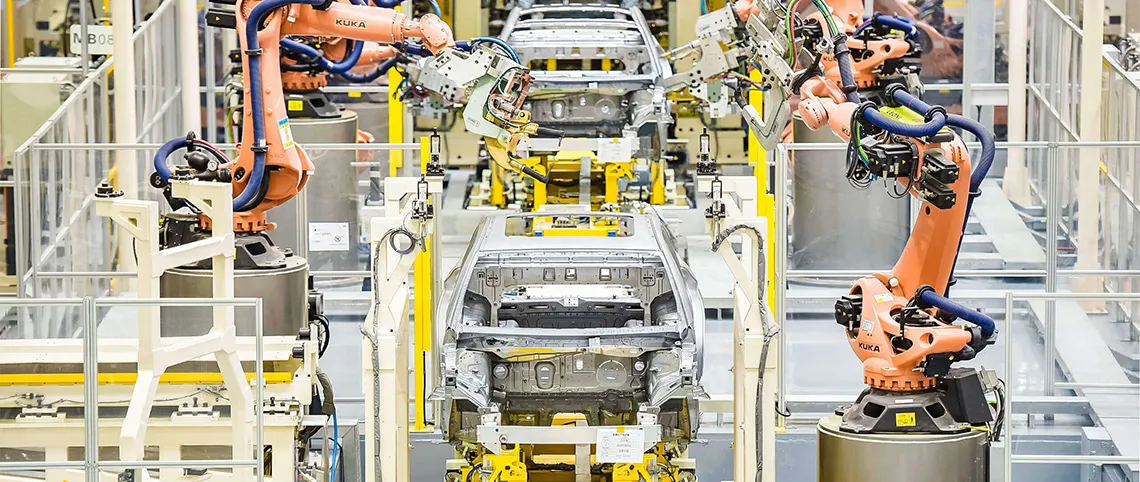 read more
 -
 read more
news and information

Versatile 4x8 Welding Table for Precision Metalwork and Fabrication Projects
The Versatility of a 4x8 Welding Table In the world of metalworking and fabrication, the importance

Valvola a sfera bilanciata per un controllo ottimale del flusso nei sistemi idraulici
Valvole a Globo Bilanciate Funzionamento e Vantaggi Le valvole a globo bilanciate rappresentano un e
y type strainer filter,,10
Y Type Strainer Filter A Compreensive Guide Y Type Strainer Filter has become an essential tool in